





The guide
Why walnut wood works well with candlelight
Walnut is one of the most underused materials in home accessories, and this lamp makes a good case for it.
What walnut does that plain wood does not
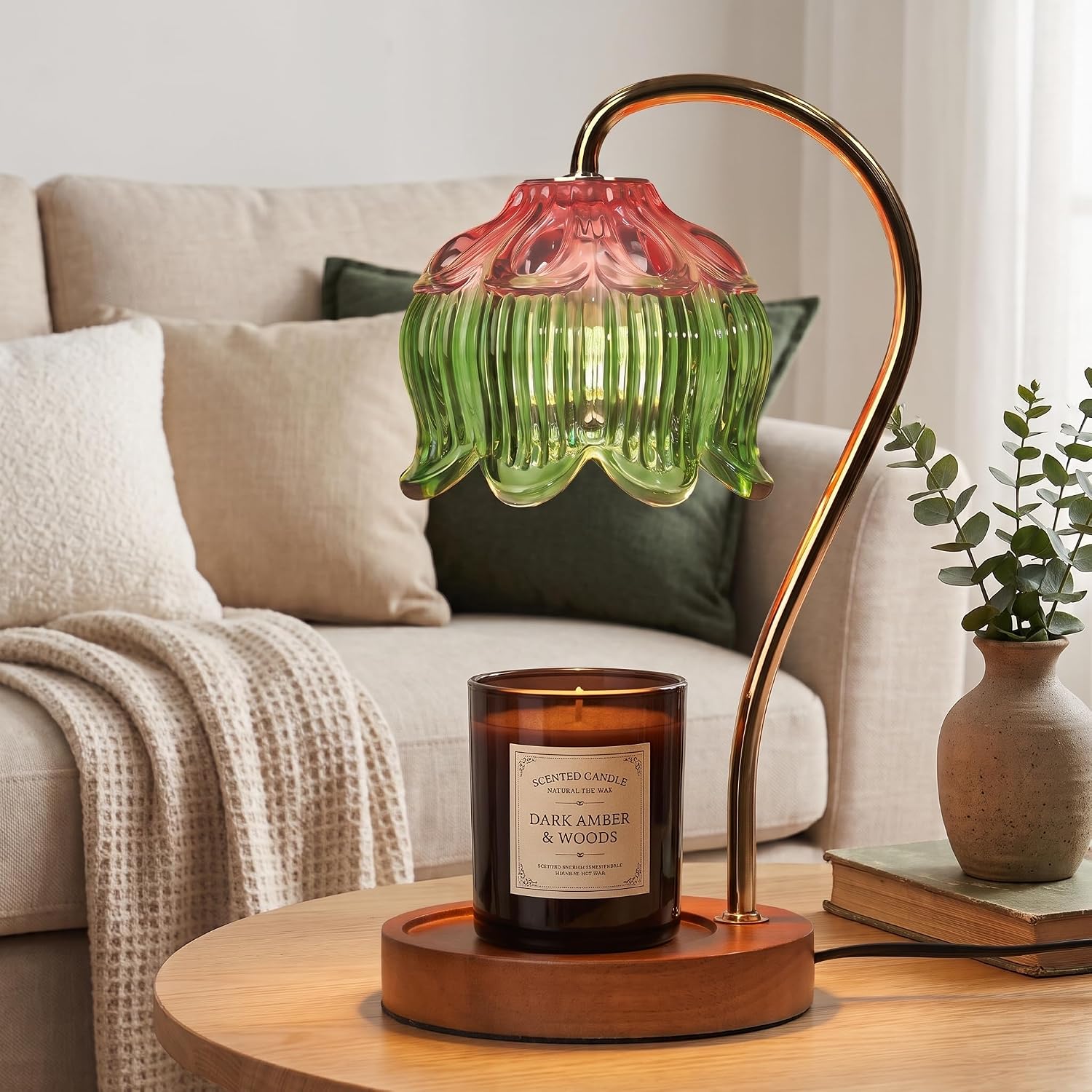
Plain wood — the pine or beech most candle warmers use — goes grey under candlelight. Walnut goes deeper. Its natural colour sits between mahogany and dark caramel, and the grain is fine enough to look finished rather than raw. Under the warm light from the bulb inside the shade, the base takes on a reddish-brown glow that works with the candle flame colour rather than fighting it.
The flower shade at different brightness levels
At the lower two brightness settings the petal sections of the shade create a dappled, uneven light pattern on the candle and the surface it sits on. At the higher settings the glass becomes more uniformly bright and the lamp functions more as a room warmer than a mood piece. Both are useful, depending on the time of day.
Pairing with candles
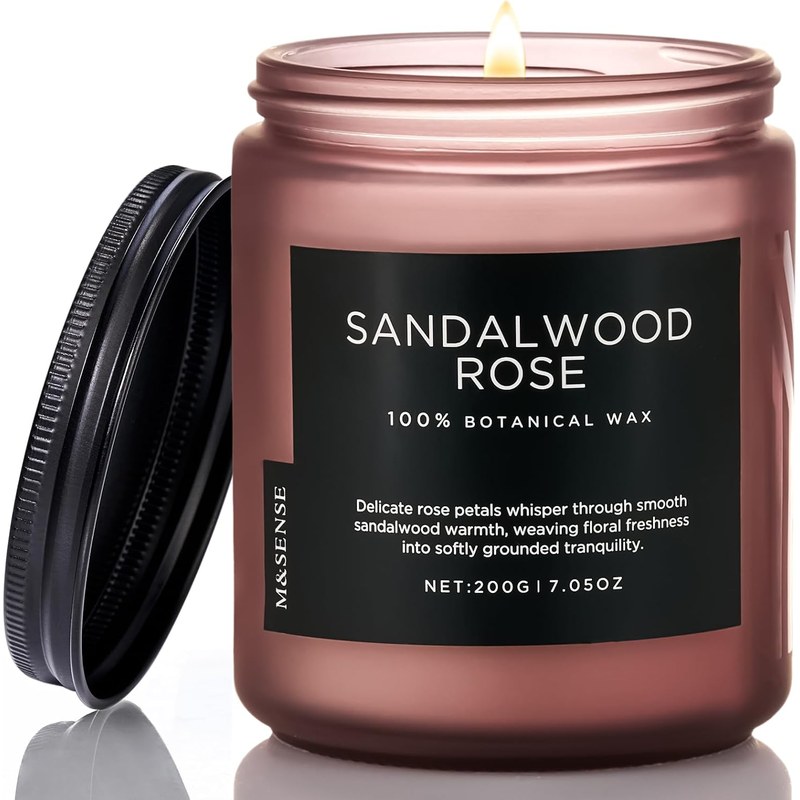
Darker or richer scents — sandalwood, fig, leather — tend to suit the walnut base well because the visual warmth of the wood reinforces what the nose is telling you. Lighter citrus or clean linen scents also work, but they create a contrast that some people find interesting and others find slightly odd. Try both and see which suits the room.
Practical note on the timer
The 2-hour setting is enough for a scent session in a bedroom before sleep. The 4-hour works for an evening in a sitting room. The 8-hour is for a home office or workshop where you want background scent across a full work session and do not want to reset the timer halfway through.