



The guide
Why coloured glass changes how a candle warmer lamp looks and feels
Clear glass looks like nothing when the lamp is off. Coloured glass is different — it changes what the lamp does to the room even before the candle starts warming.
What pale green does to the light
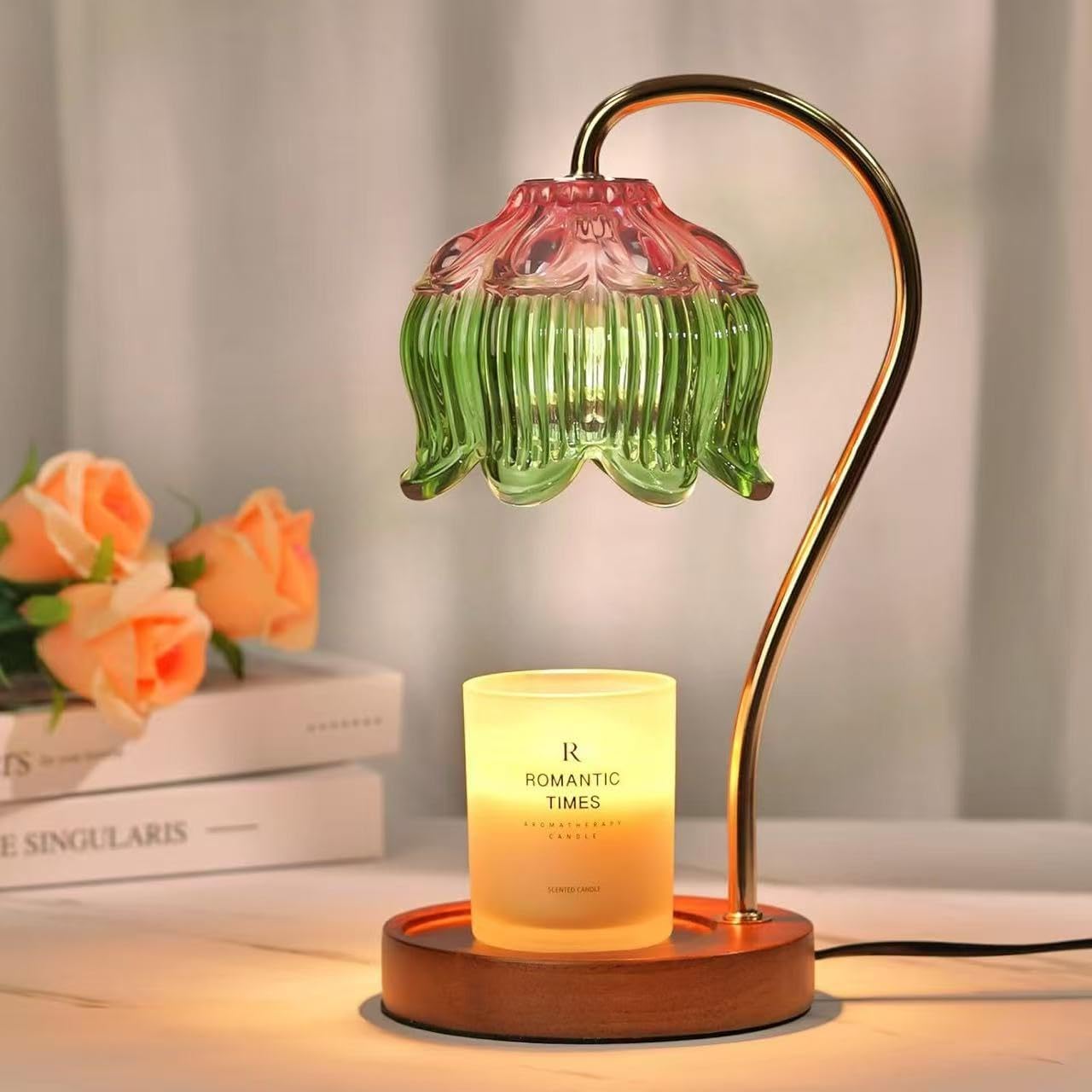
White light through pale green glass becomes slightly cooler, slightly more diffused, and closer to natural daylight than a straight incandescent glow. If your room runs warm — amber walls, wooden floors, terracotta textiles — the pale green shade keeps the lamp from tipping the balance too far toward yellow-orange. If you have a neutral or slightly cool room, the effect is barely visible at low brightness but becomes more apparent at higher levels.
The tulip shape and what it means for even warming
A tulip shade curves inward at the base and flares outward at the top. This concentrates the heat from the bulb toward the centre of the opening and downward, which is exactly what you want for a candle sitting directly below. A flat shade or a wide globe distributes heat more sideways, which can mean the edges of the wax pool melt faster than the centre. The tulip form directs the heat to where the wax is.
Walnut versus plain wood
Plain wood (the pine, beech or rubberwood most candle warmers use) tends to look flat under warm light. Walnut has a richer base colour and a fine, consistent grain that catches light differently at different angles. Under the glow from the lamp above it, a walnut base moves from brown toward reddish-dark, which complements both the pale green shade and most candle jar colours.
Pairing with candles
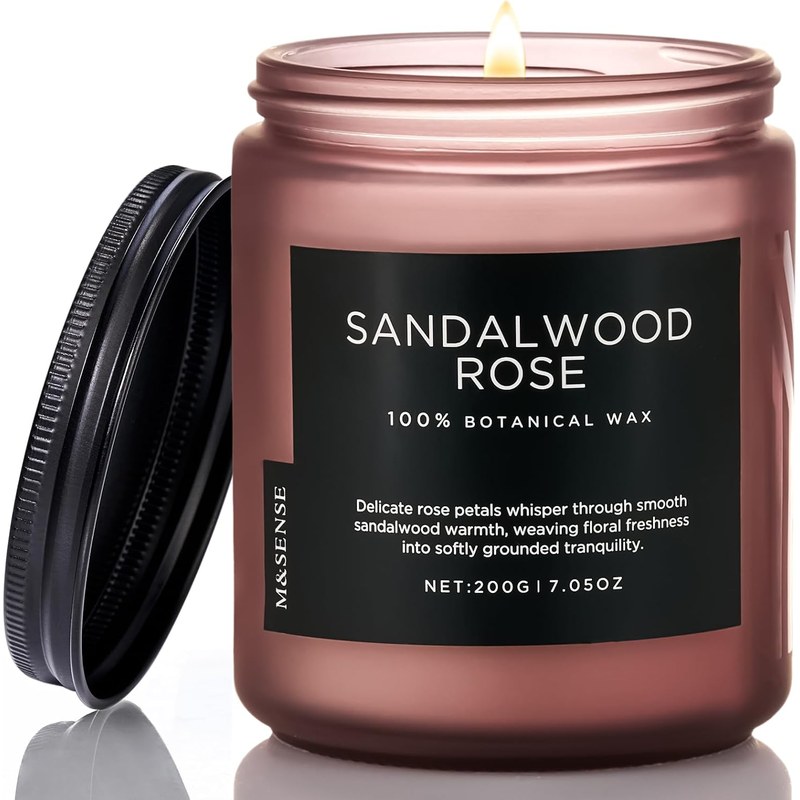
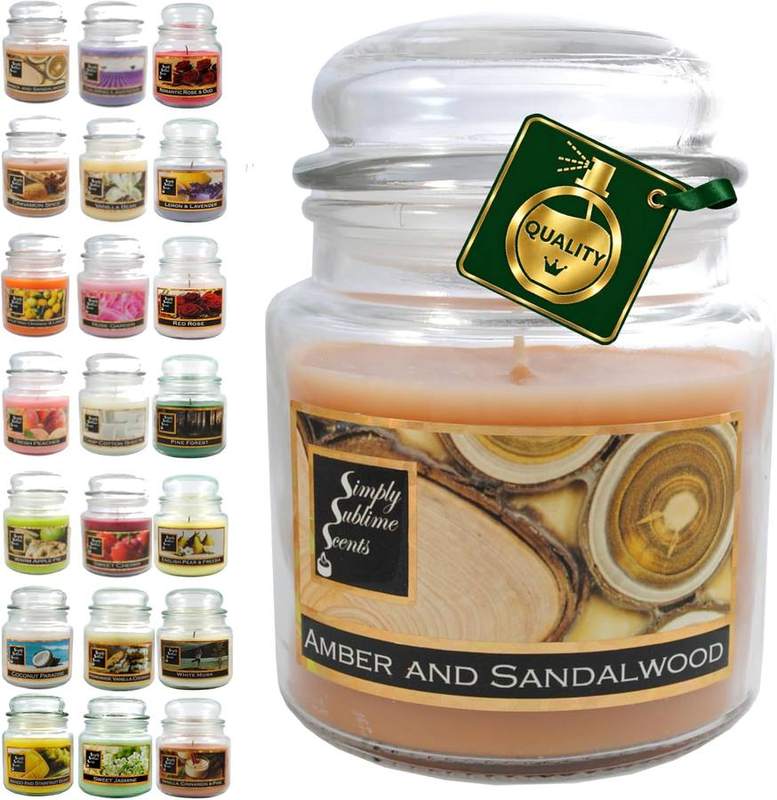
Pale green tends to work well with herb-forward or fresh scents — eucalyptus, mint, cucumber, green tea — where the visual cue and the scent are pulling in the same direction. It also works against type with warmer scents like sandalwood or amber, where the contrast between the visual coolness of the glass and the warm scent creates an interesting tension. Try both and see which suits the room better.